
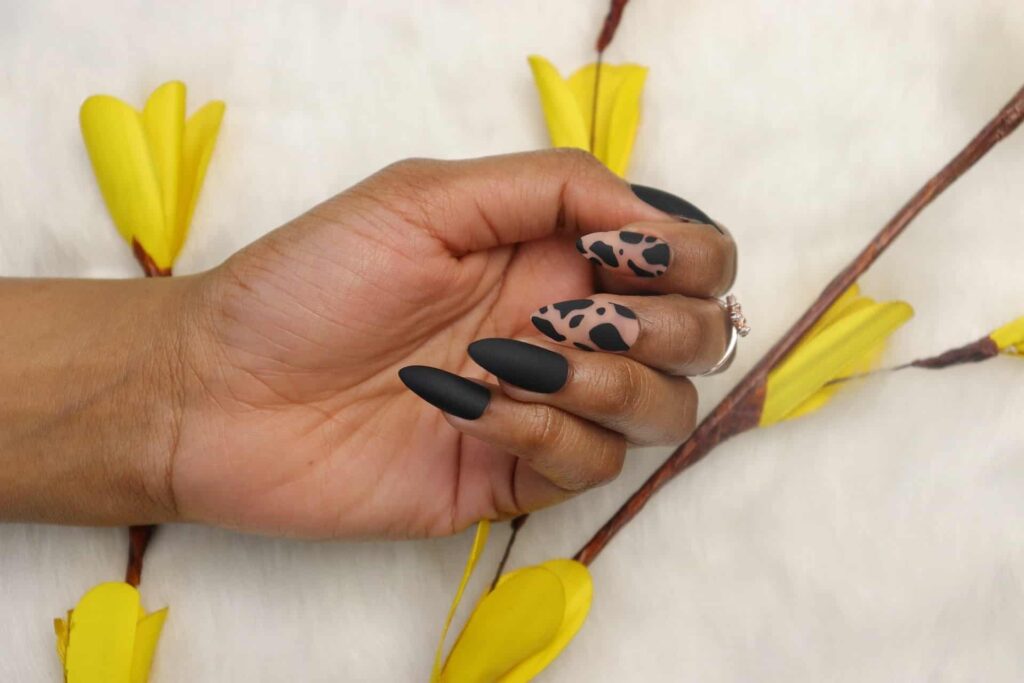
Learn how to remove acrylic nails safely at home without damaging your natural nails. Discover easy methods, tips, and aftercare steps for healthy, beautiful nails.
Why Knowing How to Remove Acrylic Nails Matters
Acrylic nails are stylish, durable, and give your hands a polished look. However, when it’s time to take them off, many people struggle with the process. Some rush to peel or pry them off, which can cause serious damage to natural nails. That’s why learning how to remove acrylic nails the right way is essential.
Instead of taking risks or spending extra money at the salon, you can remove them at home with the right tools and patience. In this blog, we’ll explore step-by-step instructions, different methods, and essential aftercare tips so your nails remain healthy and strong.
Preparing Your Nails Before Removal
Before you begin the actual removal process, preparation is key. Start by trimming your acrylic nails as short as possible. This reduces the amount of product you’ll need to dissolve and makes the entire process easier. Use a nail clipper designed for acrylics since regular clippers may not be strong enough.
Next, file down the top layer of the acrylic. A coarse nail file works best for this step because it helps remove the shiny finish and breaks the seal. This allows the removal solution to penetrate faster. By taking a few minutes to prep properly, you’ll make the process of how to remove acrylic nails smoother and safer.
Method 1: How to Remove Acrylic Nails with Acetone
The most common and effective method is using pure acetone. Acetone helps break down the acrylic, making it easier to remove without causing too much stress on your natural nails.
Start by soaking a cotton ball in acetone and placing it directly on your nail. Then wrap each fingertip with aluminum foil to hold the cotton in place. Leave it on for about 20 to 30 minutes. During this time, the acetone softens the acrylic so it can be gently pushed off with a wooden cuticle stick.
If some acrylic remains, repeat the process until your nails are clear. Remember, patience is crucial here. Rushing or scraping too hard can damage your natural nails. This step-by-step process is one of the safest ways when learning how to remove acrylic nails at home.
Method 2: How to Remove Acrylic Nails Without Acetone
Not everyone likes working with acetone. If you prefer a gentler approach, you can try removing acrylic nails without it. While this method may take more time, it’s less harsh on your skin and nails.
One popular way is soaking your nails in warm, soapy water for 20–30 minutes. The warm water helps loosen the adhesive bond. After soaking, use a thin tool like a cuticle pusher to carefully lift the edges of the acrylic. Another option is to use dental floss. Slide it gently under the acrylic and move it back and forth until the nail lifts off.
These methods require patience and extra care, but they work well if you want to learn how to remove acrylic nails without strong chemicals. Just remember that being gentle is key to protecting your natural nails.
Aftercare: Restoring Your Natural Nails
Once your acrylic nails are removed, your natural nails may feel weak or dry. That’s why aftercare is an important part of learning how to remove acrylic nails properly. Start by washing your hands thoroughly to remove any acetone or leftover residue. Then apply cuticle oil to nourish the skin around your nails.
Moisturizing your nails and hands is also essential. Acetone can be drying, so using a rich hand cream helps restore moisture. To strengthen your nails, consider applying a clear nail strengthener or leaving them bare for a few weeks. This break gives your natural nails time to breathe and recover from the acrylic process.
Tips to Make Future Removal Easier
Now that you know how to remove acrylic nails, it’s also helpful to learn how to make the process easier in the future. First, avoid picking at your nails when they start to lift. This weakens your natural nails and makes removal harder. Instead, file them gently to smooth rough edges.
You can also choose a thinner acrylic application the next time you visit the salon. Thinner layers are easier to dissolve, which shortens the removal process. Finally, keeping your nails hydrated with oils and creams will prevent them from becoming brittle, making it much simpler to manage acrylic removal later on.
Conclusion: The Right Way to Remove Acrylic Nails
Learning how to remove acrylic nails at home saves time, money, and helps you care for your natural nails. Whether you use acetone, warm water, or another gentle method, the key is to be patient and careful. Preparing your nails properly, following the right steps, and focusing on aftercare will ensure your nails stay healthy and beautiful.
Instead of risking damage, follow these proven techniques and give your nails the attention they deserve. With practice, you’ll feel confident in handling the process safely and effectively whenever you want to switch up your nail style.